The Shadow of Indefinite Detention: US Immigration and El Salvador's Brutal Prisons
In a modest home in Soyapango, a town once gripped by the fear of Mara Salvatrucha, Reynaldo Santos clutches a stack of documents and faded photos of his son, Jonathan. Two years ago, Jonathan, then 22, was arrested while playing a video game during an anti-gang operation. Today, his father's plea is simple and heart-wrenching: "I don’t have enough certainty here that he could be alive." This desperate cry echoes through thousands of homes across El Salvador, where President Nayib Bukele's "war on gangs" has led to mass detentions, shrouded in secrecy and severe human rights concerns.
The situation in El Salvador's prisons is not just a domestic crisis; it's a complex international issue that intertwines with US immigration policy, creating a perilous landscape for those deported or detained. For many, the lack of due process, the incommunicado status, and the brutal conditions mean that an arrest can swiftly become a sentence of indefinite detention, functionally akin to life imprisonment El Salvador, without any formal trial or hope of release. This article delves into the harrowing realities within these facilities, the anguish of families, and the controversial role of US policy in leveraging a system notorious for its human rights abuses.
El Salvador's Iron Fist: The "War on Gangs" and Mass Detentions
Since March 2022, El Salvador has operated under a state of exception, granting President Nayib Bukele's government sweeping powers in its relentless crackdown on gangs. While Bukele enjoys enormous popularity for drastically reducing gang violence, the cost has been immense. An estimated 83,000 individuals have been detained without judicial order, accused of gang affiliation or complicity. Disturbingly, humanitarian organizations like Humanitarian Legal Relief NGO estimate that around 30,000 of these detainees are innocent, swept up in indiscriminate arrests.
The state of exception has effectively dismantled fundamental legal protections. Prison visits are prohibited, and prisoners are kept incommunicado. Families like Reynaldo Santos's are left in a torturous limbo, bringing food or clothing to facilities like La Esperanza prison each month, never knowing if their efforts reach their loved ones. Jonathan Santos's family, for instance, has received only vague reports of "gastritis" regarding his condition, offering no real reassurance that he is alive or well. For those caught in this dragnet, the immediate loss of liberty is just the beginning; the opaque nature of the detentions means that for many, it becomes a de facto life sentence, with no clear path to justice or release.
A Glimmer of Hope Denied: The Anguish of Families and Human Rights Concerns
The anguish of hundreds of relatives is palpable and growing. Reports from leading human rights organizations such as Amnesty International, Humanitarian Legal Relief, and the Victims of the State of Exception Movement paint a grim picture of systematic abuses. These organizations highlight forced disappearances, torture, and deaths in state custody, alongside severe violations of due process. For fathers like Pablo Rivera, whose former soldier son Eduardo is detained, the most basic need is simply to know: "What I want to know is if my son is alive or dead."
In response to this humanitarian crisis, several NGOs launched the "Proof of Life" campaign in October, demanding medical examination certificates for detainees and the restoration of visitation rights. This campaign underscores the desperation felt by families who fear their loved ones are suffering or dying in silence. The lack of transparency and legal recourse means that individuals deemed "suspect" can face indefinite holds, a hidden cost that devastates families and society. For many, these indefinite holds, coupled with the brutal conditions, equate to a form of life imprisonment El Salvador, albeit without the formal judicial pronouncement. The psychological trauma for both detainees and their families is immense, creating a profound societal wound.
US Immigration Policy and the Shadow of Salvadoran Prisons
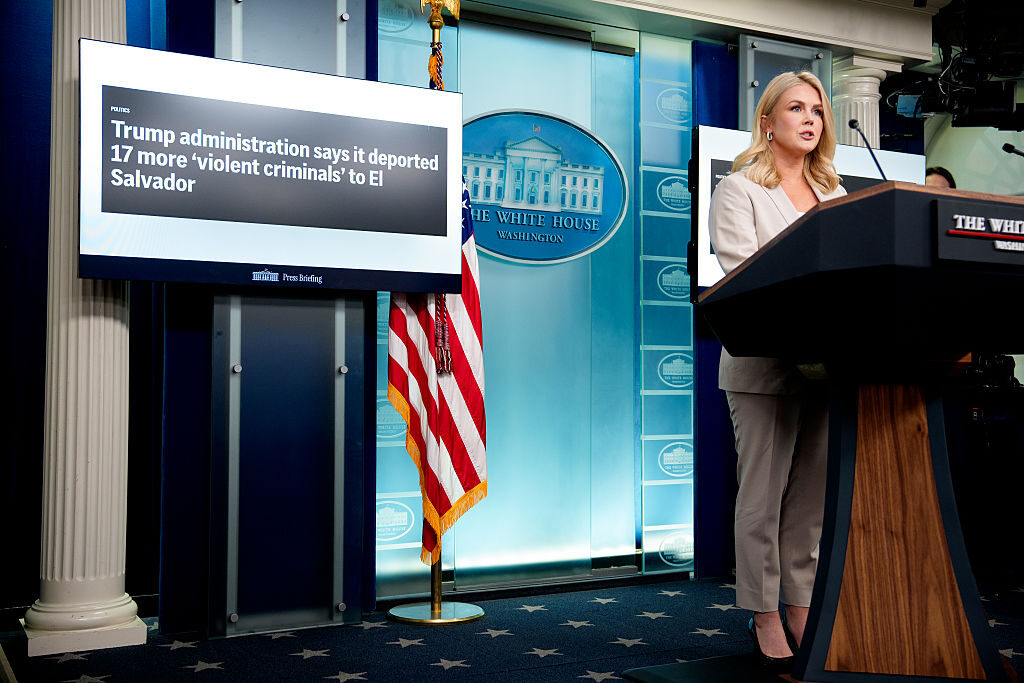
Compounding the domestic crisis is the controversial role of US immigration policy. Under the Trump administration, alleged gang members were actively sent to El Salvador for detention, a policy often touted as part of a "tough-on-immigration" stance. This approach saw US officials, like former South Dakota Governor Kristi Noem, publicly state, "First of all, do not come to our country illegally. You will be removed, and you will be prosecuted... But know that this facility is one of the tools in our toolkit that we will use if you commit crimes against the American people."
However, the prisons touted by the US have a dark reputation. Civil rights groups have labeled them "one of the worst prisons in the world," citing widespread human rights violations and corruption. Expert testimony, such as that from Baruch College professor Sarah C. Bishop, who studies the Salvadoran prison system, warns that "Deportees who are imprisoned in El Salvador are highly likely to face immediate and intentional life-threatening harm at the hands of state actors and a secondary threat of violence from incarcerated gang members." Adding to the controversy, the director of prisons himself was indicted by the United States for arranging meetings with MS-13 gang members and for developing a scheme to embezzle millions from the prison commissary system. The case of Andry, a gay make-up artist reportedly sent to El Salvador due to "Mom" and "Dad" tattoos, highlights the arbitrary nature of some of these removals, further exposing the severe violations of due process at play.
The Grave Implications: What 'Life Imprisonment' Means in El Salvador's Context
When discussing life imprisonment El Salvador, it's crucial to understand that for many detainees under the state of exception, the term applies not necessarily through a judicial sentence, but through a brutal reality. The absence of legal oversight, the ban on visits, the incommunicado status, and credible reports of abuse mean that an indefinite detention can effectively be a death sentence, or at the very least, a life sentence in conditions that strip away dignity and hope. For an estimated 30,000 innocent people, this means languishing without charge or trial, facing threats from both state actors and incarcerated gang members, in facilities where corruption and violence are endemic.
Practical Implications and Calls for Action:
- For Families of Detainees: Document every interaction, date, and name. Seek assistance from local and international human rights NGOs immediately. Join collective efforts like the "Proof of Life" campaign to amplify demands for transparency and visitation rights. International advocacy can sometimes create pressure where domestic avenues are closed.
- For Individuals at Risk of Deportation to El Salvador: Understand the extreme risks. Seek competent legal counsel in your country of residence regarding asylum claims or protection from removal. Tattoos, even seemingly innocuous ones, can be misinterpreted with dire consequences.
- For the International Community: Continued pressure on the Salvadoran government to respect human rights and restore due process is essential. Monitoring prison conditions, demanding independent investigations into deaths in custody, and supporting NGOs on the ground are critical steps. There must be an international commitment to not contribute to or condone systems that violate fundamental human rights, regardless of the stated security objectives.
The severe violations of due process render any detention deeply problematic. The "tool in our toolkit" approach by the US risks complicity in a system that appears to disregard fundamental legal and human rights. For those subjected to these conditions, the lines between detention, effective life imprisonment, and potential death become tragically blurred.
The plight of Jonathan Santos, Eduardo, and tens of thousands of others in El Salvador's prisons represents a profound humanitarian crisis. The intersection of domestic security policies and international immigration enforcement has created a system where basic human rights are systematically denied. For countless families, the demand for justice is intertwined with the desperate plea for a "proof of life." Until transparency, due process, and human rights are restored, the shadow of indefinite, life-altering detention will continue to loom large over El Salvador's notorious prisons, and the international community's role in this crisis will remain under scrutiny.