El Salvador Prison Crisis: Families Demand Proof of Life for Detained Loved Ones
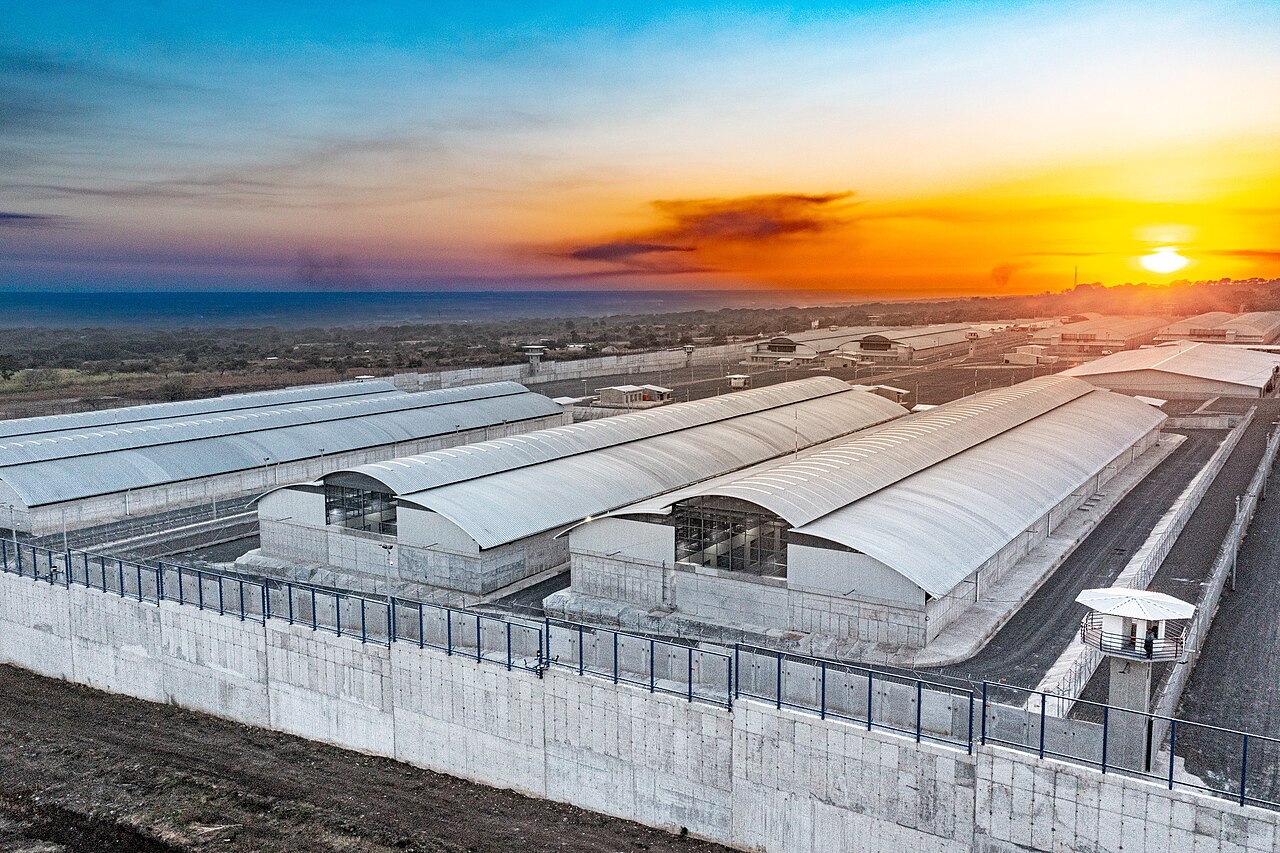
In the quiet town of Soyapango, once a stronghold of the notorious Mara Salvatrucha, the anguish of a father echoes the cries of thousands. Reynaldo Santos, a 57-year-old baker, clutches photos of his son, Jonathan, a 22-year-old arrested two years ago during an anti-gang operation. Jonathan was simply playing a video game at home when soldiers and police, enforcing President Nayib Bukele’s sweeping "war on gangs," surrounded Soyapango. Today, Reynaldo’s plea is heartbreakingly simple: “I don’t have enough certainty here that he could be alive.” This profound uncertainty, fuelled by a lack of communication and prohibited prison visits, has ignited a desperate campaign by families demanding nothing less than proof of life for their detained relatives. For many, the indefinite detention in El Salvador's notoriously harsh prisons feels eerily close to a silent form of life imprisonment El Salvador has imposed without conviction.
The Anguish of the Unknown: A Glimpse into El Salvador's Crisis
Jonathan Santos's story is not an isolated one. His father receives sparse updates from authorities, like notices in March and October stating his son had "gastritis" – hardly reassuring information when contact is forbidden. Each month, Reynaldo takes food and clothing to La Esperanza prison, unsure if it ever reaches Jonathan. This heartbreaking ritual is shared by countless families across the nation, all grappling with the same agonizing question: Is my loved one alive?
Under a state of exception declared in March 2022, El Salvador has detained an estimated 83,000 individuals, many without a judicial order. While the government touts these mass arrests as crucial to dismantling gang control, NGOs like Humanitarian Legal Relief report that as many as 30,000 innocent people are among the detainees, accused solely on suspicion of being gang members or accomplices. These individuals are held incommunicado, denied family visits, and often moved without their families being informed of their whereabouts or condition. The psychological toll on these families is immense, marked by constant fear, financial strain from trying to navigate a opaque system, and the sheer despair of not knowing.
Another poignant example is Eduardo, a former soldier in his thirties, whose father, Pablo Rivera, a 54-year-old farmer, has exhausted all avenues to see his son. "What I want to know is if my son is alive or dead," Pablo pleads. This fundamental human right to know the fate of a detained loved one is being systematically denied, pushing families to the brink of desperation and fueling the collective demand for proof of life.
The State of Exception: A Double-Edged Sword
President Nayib Bukele's "war on gangs" has been widely popular in El Salvador, restoring a semblance of peace to communities long terrorized by groups like MS-13 and Barrio 18. His government enjoys nearly absolute state power, allowing for sweeping measures under the state of exception, which has been continuously extended since its initial declaration. While the dramatic reduction in homicides is undeniable, the human cost of this security strategy is equally stark.
The state of exception suspends constitutional rights, permitting arrests without warrants and limiting legal protections. This legal framework has facilitated mass detentions, but also severe violations of due process. For thousands, this indefinite detention, often without clear charges or access to legal counsel, amounts to a de facto life imprisonment El Salvador has handed down without formal sentencing. The fear isn't just about spending years behind bars but also about the potential for harm or death within the prison system, given the documented human rights abuses.
Humanitarian Legal Relief, Amnesty International, and the Victims of the State of Exception Movement have all published damning reports highlighting arbitrary detentions, torture, and deaths in custody. These reports amplify the anguish of families like the Santos and Riveras, making their demand for proof of life an urgent humanitarian appeal.
International Scrutiny and the Shadow of Dangerous Prisons
El Salvador's prison system has long been under international scrutiny for its human rights record. The U.S. government itself has acknowledged the issues, with the Trump administration having sent alleged gang members to Salvadoran prisons despite their reputation for human rights violations and corruption. Sarah C. Bishop, a professor at Baruch College who has studied the Salvadoran prison system, testified that deportees imprisoned in El Salvador are "highly likely to face immediate and intentional life-threatening harm at the hands of state actors and a secondary threat of violence from incarcerated gang members." This dire assessment underscores the severe risks faced by detainees, whether Salvadoran citizens or those deported from other countries.
Indeed, a former director of prisons in El Salvador was indicted by the United States for allegedly arranging meetings with MS-13 for negotiations and was deemed corrupt by the U.S. Treasury Department for embezzling millions from the prison commissary system. Such revelations paint a grim picture of systemic corruption and abuse within the very institutions meant to hold detainees. This environment makes the families' pleas for proof of life even more desperate, as the safety and well-being of their loved ones are in constant jeopardy. For more details on this intricate relationship, explore US Immigration Policy and El Salvador's Dangerous Prisons.
The lack of transparency and accountability within the system creates a terrifying vacuum for families. They are left to imagine the worst, unable to verify reports of illness or even survival. This prolonged uncertainty, coupled with reports of harsh conditions and abuse, effectively imposes a form of psychological life imprisonment El Salvador has subjected families to, even as they remain outside prison walls.
Demanding "Proof of Life": A Collective Cry for Justice
Recognizing the dire need for transparency, several NGOs launched the "Proof of Life" campaign in October. This initiative demands fundamental rights for detainees:
- Medical Examination Certificates: Official documentation from medical professionals confirming the health and well-being of detainees.
- Visitation Rights: Reinstatement of family visitation to ensure direct contact and oversight.
- Knowledge of Location: Immediate and consistent updates to families regarding the specific detention facility where their loved ones are held.
- Access to Legal Counsel: Ensuring that detainees can consult with lawyers to understand their charges and legal options.
The situation highlights a critical tension between national security and human rights. While a government has a legitimate interest in combating crime, it must do so within the bounds of the law and respect for human dignity. The indefinite nature of these detentions, without clear charges or trials, has profound implications for the rule of law and the long-term stability of the country. Understanding the broader consequences of such policies is crucial; delve deeper into this aspect by reading El Salvador's Mass Detentions: The Hidden Cost of Indefinite Holds.
Conclusion
The El Salvador prison crisis, epitomized by the desperate pleas for proof of life, represents a profound humanitarian challenge. Thousands of families are trapped in a purgatory of uncertainty, their lives overshadowed by the unknown fate of their detained relatives. While President Bukele's crackdown on gangs has brought undeniable security benefits, the cost in terms of human rights, due process, and basic dignity is alarmingly high. The demand for proof of life is a fundamental cry for humanity, urging the Salvadoran government to uphold international human rights standards, provide transparency, and ensure that indefinite detentions do not become a de facto life imprisonment El Salvador imposes without accountability. The international community, alongside local NGOs and the affected families, must continue to press for these essential safeguards, ensuring that the pursuit of security does not come at the ultimate expense of justice and human life.